Featured

Table of Contents
American homes are carrying some of the greatest financial obligation levels on record. With purchase APRs now averaging about 22%, numerous families discover that even paying the minimum each month barely dents their balances.
Deciding Between Insolvency and Debt Settlement ProgramsThese companies negotiate with lenders to minimize the total quantity owed on unsecured financial obligations like charge card or individual loans. While settlement can lower balances, it's not without tradeoffs credit report can be affected, and taxes might use on forgiven debt. Not all companies in this area are equal. Some are certified and have years of outcomes to point to, while others run in fewer states or absence clear disclosures.
We limited this list to companies that focus on financial obligation settlement programs where negotiators work with financial institutions to decrease the total quantity you owe on unsecured debts. Companies that just offer loans or credit therapy plans were not included. The list below aspects assisted our rankings: Industry accreditation: Verified membership with groups such as the American Association for Debt Resolution (AADR) or the Association for Customer Debt Relief (ACDR). Fee structure: Programs that follow FTC rules and charge no in advance fees, with expenses collected just after a settlement is reached and a payment is made.
State availability: How lots of states the company serves. Minimum debt requirement: The least expensive amount of unsecured financial obligation needed to enlist, frequently $7,500 or $10,000. Track record and scale: Years in operation, number of accounts solved and recognition in independent rankings.
Founded in 2009, it has become one of the biggest and most acknowledged financial obligation settlement business in the nation. The business is a recognized member of the Association for Consumer Financial Obligation Relief, which signals compliance with industry requirements. Scale sets National Financial obligation Relief apart. It works with more than 10,000 creditors, deals with over 100,000 accounts monthly, and has actually settled almost 4 million financial obligations given that its launch.
Improving Financial Literacy With Nonprofit Programs
National Financial obligation Relief charges no in advance costs. Customers pay a fee normally in between 15% and 25% of the registered debt just after a settlement is reached and a payment is made. Programs are typically available to individuals with a minimum of $7,500 in unsecured financial obligation, and services encompass 46 states, more than some competitors.
Its financial obligation settlement services focus on negotiating unsecured financial obligations such as credit cards and personal loans. Achieve usually requires a minimum of about $7,500 in unsecured debt to register.
Fees generally fall within the industry variety of 15% to 25% and are just gathered after a settlement is reached and a payment is made. While debt settlement is one part of a bigger product lineup, the business has actually earned strong customer evaluations and preserves clear disclosures about costs and process.
For consumers who value a recognized business with integrated financial tools and transparent settlement practices, Attain is a strong contender. 2 Established in 2008, Americor is a debt relief business that focuses on financial obligation settlement for unsecured financial obligations such as credit cards and personal loans. The business is a member of the American Association for Financial Obligation Resolution, which shows adherence to market requirements.
The company follows FTC rules and does not charge in advance charges. Program fees typically fall within the industry variety of 15% to 25% and are gathered just after a settlement is reached and a payment is made. Customers examine and approve each settlement before it becomes final. One area where Americor sticks out is flexibility.
Important Debtor Rights to Know in 2026
3 Developed in 2002 and headquartered in San Mateo, California, it is one of the longest-running and biggest debt settlement firms in the U.S.
Freedom Debt Relief financial obligation generally require typically need $7,500 in unsecured debt. Costs are comparable to competitors, generally varying from 15% to 25%, and are only gathered after a settlement is reached and a payment is made.
4 Accredited Debt Relief takes the fifth area. Founded in 2011, it operates together with Beyond Financing, LLC, which is noted as a certified member of the ACDR.Accredited usually needs customers to have at least $10,000 in unsecured financial obligation to qualify. Costs fall in the market series of 15% to 25%, gathered just after a financial obligation is settled and a payment is made.
The company has actually earned positive marks in independent reviews from Forbes Advisor and Bankrate. While its availability does not extend to all states, Accredited stays a prominent name in the financial obligation settlement market. 5 Financial obligation settlement can supply real relief for people battling with high balances, but picking the ideal business matters.
Improving Personal Literacy With Certified Programs
Before registering, compare charges, availability and examines thoroughly to find the best fit for your circumstance. Financial obligation settlement is a serious monetary step, and working with a reputable business can make the procedure more transparent and reliable.

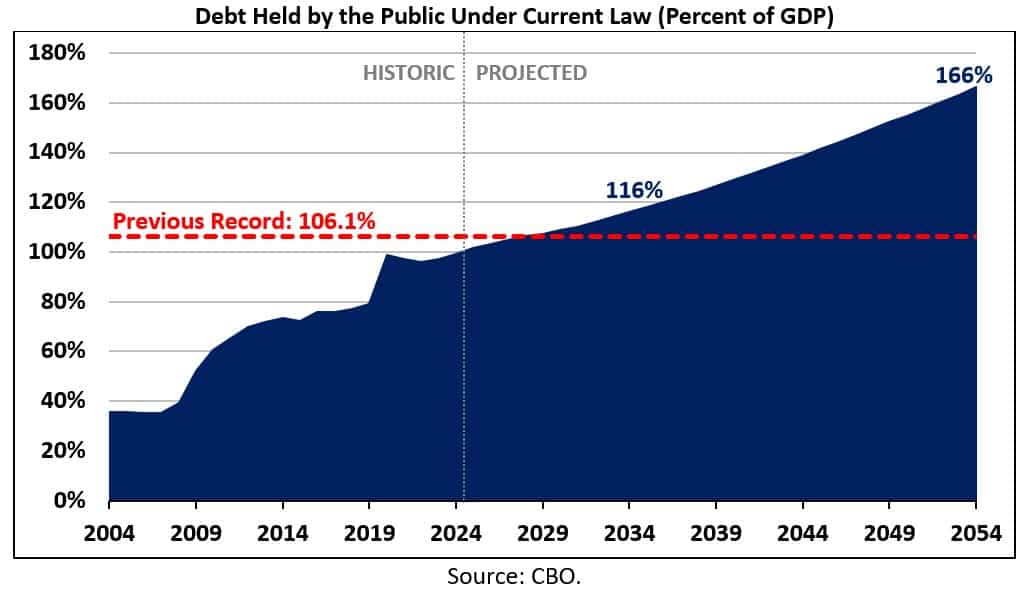
Household debt in America is over 18 trillion dollars, according to the Federal Reserve Bank of St Louis. With so much debt, it's not unexpected that many Americans want to be debt-free.
Financial obligation is constantly a financial problem. But it has ended up being more challenging for many individuals to handle in current years, thanks to rising rates of interest. Rates have actually increased in the post-COVID age in action to troubling economic conditions, consisting of a surge in inflation triggered by supply chain disruptions and COVID-19 stimulus costs.
While that benchmark rate doesn't directly control rate of interest on financial obligation, it affects them by raising or lowering the expense at which banks borrow from each other. Included costs are usually handed down to consumers in the form of higher interest rates on financial obligation. According to the Federal Reserve Board, for example, the average rates of interest on charge card is 21.16% as of May 2025.
Card interest rates may also increase or remain high into 2026 even if the Federal Reserve alters the benchmark rate, because of growing creditor issues about rising defaults. When creditors hesitate clients won't pay, they frequently raise rates. Experian likewise reports average rates of interest on auto loans struck 11.7% for pre-owned automobiles and 6.73% for new vehicles in March 2025.

Latest Posts
How to Prepare for Bankruptcy in 2026
Qualified Insolvency Counseling for 2026 Debtors
:max_bytes(150000):strip_icc()/DebtRelief-BestDebtReliefCompaniesImage-65c32a5716014aeca3a4e55477cb8130.png)
Why Professional Credit Counseling Works